In Turkey, 23 April 1920 was the day that the National Council denounced the government of the Ottoman Sultan Mehmed VI and announced a temporary constitution, and the Grand National Assembly of Turkey was founded. One year later it was announced as a national holiday and, in 1929, the founder of the Turkish Republic Mustafa Kemal Atatürk, presented 23 April as “Children’s Day” to emphasise that they are our successors and they are the future. Children's Day in Turkey is a unique event, entrusting in the hands of the youth the protection of sovereignty and independence.
Every year, the children in Turkey celebrate National Sovereignty and Children's Day as a national holiday. Schools participate in week-long ceremonies marked by performances in all fields in large stadiums watched by the entire nation. Among the activities on this day, children send their representatives to replace state officials and high-ranking civil servants in their offices. The President, the cabinet ministers, provincial governors, and mayors all turn over their positions to children's representatives. These children, in turn, sign executive orders relating to educational and environmental policies. On this day, the children also replace the parliamentarians in the Grand National Assembly and hold a special session to discuss matters concerning children's issues.
After UNESCO proclaimed 1979 as the International Year of the Child, children from about 50 countries started coming to Turkey every year to participate in the festival. During their stay in Turkey, visiting children are housed by Turkish families and find an important opportunity to interact with Turkish children and learn about each other's countries and cultures.
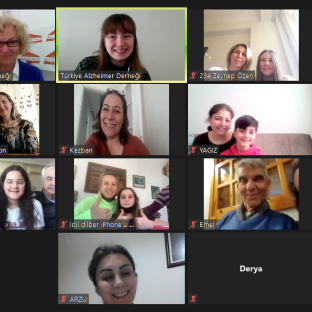
The Turkish Alzheimer Association presented a specially tailored training and a contest for children on 23 April 2021, explaining to them what dementia is and how they can communicate with people with dementia. The Association has taken this first step -aware of the fact that children are not well-informed about dementia and they often do not know how to interpret and approach people living with dementia – with a plan to progress with monthly trainings, addressing children and their parents, for the next six months. In the meantime, some schools are also being contacted about delivering more structured trainings to their students, even inserting some insights into their regular curriculum.
