The COVID-19 epidemic is an additional stress for both people with dementia and their relatives. During this time, people with dementia and their relatives are even more in need of advice, support, understanding, suggestions for home activities, or resolving other dilemmas they face. To help support them, Spominčica organises online workshops every Wednesday and Thursday morning.
In the workshops called "LET'S BRAINSTORM", they cover areas such as memory training and other cognitive abilities, with various tasks, exercises, puzzles and other mental challenges. The workshop is suitable for anyone who wants to maintain their mental abilities and who wants to do something good to prevent dementia. Regularly performing various exercises helps to better maintain mental functions.
In the workshops called “LET'S SOCIALIZE”, they make sure that, even in the unpleasant period of COVID-19, people can maintain social contacts and talk about current topics that help and support people at home, in a pleasant atmosphere. During the workshops in December 2020, they discussed personal and general well-being and how it can be improved; how to remain calm and feel comfortable with a person with dementia, as much as possible. They also talked about the holidays and how they could can spend them together with a person with dementia. Finally, they covered the topic of communicating in general and how to develop good communication and positive understanding with a person with dementia.
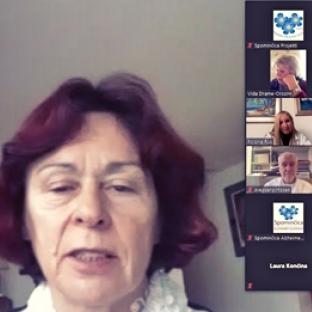
Spomičica also organised an online conference "LET'S TAKE CARE OF THE BRAIN! - The lives of people with dementia and their relatives during COVID-19" at which Štefanija Zlobec, president of Spominčica and experts Dr Vida Drame Orožim, neurologist and psychiatrist, Dr Polona Rus Prelog, psychiatrist and Professor Zvezdan Pirtošek, neurologist, presented the challenges that peole with dementia and their carers, and healthcare professionals are facing. Moreover, special attention was given to how to structure the day to prevent the negative effects that social distancing and loneliness can have on cognitive abilities and on the mental health of the population. A debate followed, on the shortage of medicines, reduced access to healthcare professionals, electronic communication and telemedicine.