Art therapy has already been shown to be an effective tool for the benefit of those with Alzheimer’s disease dementia. More than just a way of keeping people busy, art therapy stimulates the brain, stirring up old memories and giving those who struggle to speak, a way of communicating. Art therapy partially gives back that which the disease itself has taken away. It stimulates the senses, triggers some dormant memories and encourages conversation.
Art can be used as a form of expression, whether looking at art or creating it, especially for those who cannot communicate verbally. People with dementia may not necessarily recover lost words through art therapy, but they can explore a whole new vocabulary. Some caregivers turn to the arts, such as painting, music or dance, to build a new form of communication. Rather than relying on language as the method of communication, using art as the medium activates a different part of the brain. This change of interaction lessens frustration and offers those with dementia another chance to connect socially, thereby also lowering the sense of isolation that is often experienced.
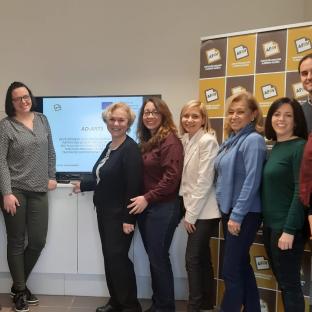
The Turkish Alzheimer Association has joined other partners in a two-year Erasmus+ project designed to develop a training programme to improve quality of life for those with Alzheimer’s disease and other dementias, through innovative, creative art therapies supported by digital tools. Although the creative use of art is widely used for therapeutic purposes, digital creative art therapies (CATs) are relatively new. Also, despite the accessibility of CATs and supporting digital tools, practical implementation levels are low and as such their high potential for improving the quality of life for those with dementia is underexploited.
AD-ARTS is launched with the main objective of increasing the competences (attitudes, knowledge, skills) of people with dementia (mild and moderate), relatives and professionals on the implementation of CATs supported by digital tools for improving quality of life. Partners include Asociacion Familiares Enfermos Alzheimer Valencia, Spominčica Alzheimer Slovenija, Aristotelio Panepistimio Thessaloniki, Univesitat Politecnica de Valencia, Il Cerchio Società Cooperative Sociale Consort Italy.