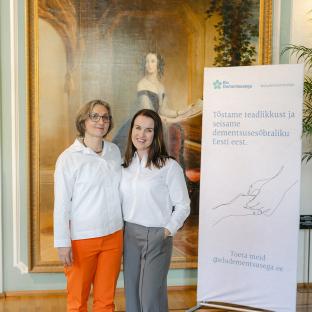
On 2 June 2026, the Estonian non-profit organisation Life with Dementia (MTÜ Elu Dementsusega) celebrated its tenth anniversary, marking a decade of advocacy, awareness-raising, and support for people living with dementia and their families.
Founded in 2016 by people with lived experience of dementia, the organisation has become Estonia’s leading voice in promoting dignity, inclusion, and right for better quality of life for those affected by the condition. Over the years, it has helped bring personal stories into public discussion, organised community events, contributed to policy development, and built cooperation between healthcare professionals, social care providers, decision-makers, and families.
The anniversary comes at a time when dementia is affecting an increasing number of people across Estonia. A nationwide survey conducted in April 2026 found that 35% of Estonian adults have had direct or indirect experience with dementia. Of these, 20%—representing more than 200,000 people—have encountered dementia within their own family or through a close loved one. A further 15% reported experience through friends or more distant relatives.
The findings underline that dementia is no longer a marginal issue but a growing societal challenge affecting individuals, families, communities, and public services.
The survey also highlighted generational differences in attitudes toward dementia. Younger respondents were significantly more willing to speak openly about a diagnosis than older age groups. Among people aged 18–24, 44% said they would openly discuss a dementia diagnosis, compared with only 11% among those aged 75 and older. Older respondents were also more likely to say they were uncertain about how they would react if faced with such a diagnosis.
These findings demonstrate both progress and continuing challenges. While public awareness has improved in recent years, stigma and fear surrounding dementia remain significant barriers to seeking support and speaking openly about the condition.
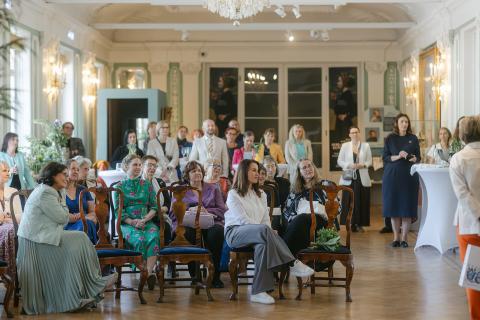
During the anniversary event, speakers emphasised that dementia affects far more than memory. It influences relationships, identity, independence, and quality of life. Families often face emotional, practical, and financial challenges long before formal support services become available.
Guests at the event included healthcare professionals, representatives of disability and patient organisations, policymakers, and community partners. Discussions focused on human dignity, support for family caregivers, and the importance of ensuring that people living with dementia remain visible and included in society.
“Over the past ten years, we have learned that dementia is not only about memory loss,” said representatives of NGO Life with Dementia. “It touches relationships, identity, dignity, and love. A diagnosis may change a person's abilities, but it never diminishes their value as a human being or their need for understanding, connection, and care.”
Looking ahead, the organisation hopes to continue strengthening awareness, improving access to support services, and ensuring that people living with dementia and their families are heard in public discussions and policy decisions.
As populations age across Europe and globally, the organisation believes that creating dementia-friendly communities and reducing stigma will become increasingly important. Their message remains simple: no person or family should have to face dementia alone.