Dominantly inherited Alzheimer's disease (DIAD) is a rare familial form of AD that is caused by inherited mutations in three genes: presenilin 1, presenilin 2 or amyloid precursor protein. People who have DIAD often start having symptoms of dementia before the age of 50, caused by the accelerated accumulation of damaging amyloid and tau proteins in their brain. In their new study of DIAD, a team of researchers from Australia, the US and Germany have identified how a mutation in the BDNF gene accelerates cognitive decline in people with DIAD.
Brain-derived neurotrophic factor (BDNF) plays an important role in the survival and growth of neurons in the brain. Previous work by the Lim group at Monash University found that people carrying a mutation in the BDNF gene (called BDNF Val66Met) showed faster cognitive decline than peers without BDNF mutations.
To find out how BDNF Val66Met affects the phosphorylation and accumulation of Tau proteins in the brains of people with DIAD, the researchers studied longitudinal data from the Dominantly Inherited Alzheimer's Disease Network (DIAN) and the Alzheimer's Disease Neuroimaging Initiative (ADNI). In total, they analysed cerebrospinal fluid (CSF) samples and clinical data from 374 study participants with DIAD, 230 of whom carried the BDNF Val66Met mutation. 125 participants without DIAD were drawn from the ADNI group.
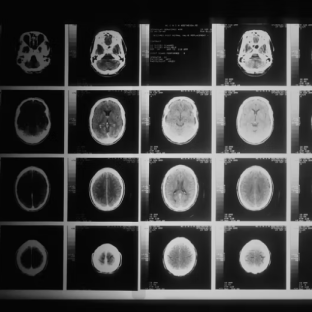
By carrying out mass spectrometry analyses of proteins in CSF samples, the researchers were able to construct proteomic profiles of all the participants analysed, cross-referencing data on different types of phosphorylated tau to data from brain imaging scans and clinical test scores. Presymptomatic individuals with DIAD and the BDNF Val66Met mutation had poorer episodic memory, smaller hippocampal volume and higher levels of pTau217, pTau181 and total Tau protein compared to those without the BDNF Val66Met mutation. Similarly, symptomatic individuals with DIAD and the BDNF Val66Met mutation showed significantly poorer cognition and higher Tau levels. This suggests that strategies that boost BDNF in pre-symptomatic stages of AD - for example, physical exercise - may have beneficial effects on Tau accumulation and cognition.
https://jamanetwork.com/journals/jamaneurology/fullarticle/2788271