Despite growing awareness, the situation of people living with dementia and their caregivers in Hungary remains challenging. However, the Szociális Klaszter Egyesület (Social Cluster Association) is pleased to share two encouraging developments that highlight positive change and growing recognition in this field:
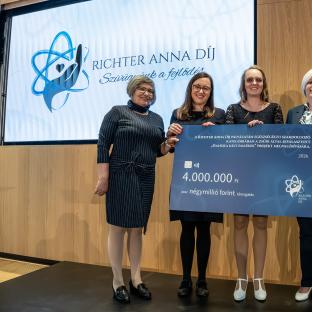
First, the health/social care professional team of the Boldog Gizella Foundation has been awarded the prestigious Richter Anna Prize (pictured), established by Gedeon Richter Plc. as part of its corporate social responsibility programme. The award was granted in the healthcare category for their initiative “Memories Brought to Life Through Sound”. This programme specifically targets informal caregivers of people living with dementia who provide care at home. Through on-site workshops, participants receive practical guidance on avoiding common pitfalls of home care and gain essential knowledge to support daily caregiving tasks.
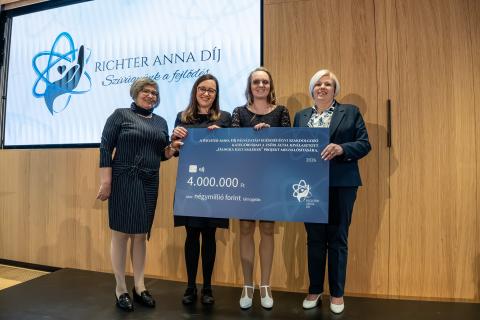
“We consider this recognition particularly important, as the visibility and prestige of the award help bring national media attention to the often-overlooked challenges faced by dementia caregivers. Furthermore, the financial component of the prize enables the Foundation to acknowledge and support the additional work of caregiving professionals involved in the programme” said the Social Cluster Association.
A second important development is the planned launch of a postgraduate training programme for dementia care consultants at Pázmány Péter Catholic University, starting in September 2026. This initiative represents a relevant step in strengthening the professional and systemic response to dementia care in Hungary. The programme is designed for graduate professionals in healthcare and social care and aims to address current gaps in competencies related to dementia. It places particular emphasis on non-pharmacological interventions as a cornerstone of care, especially in the absence of curative treatment options. In addition, the training highlights the importance of a palliative care approach in the later stages of dementia, promoting quality of life, dignity, and symptom management. A key policy-relevant aspect is the focus on interprofessional collaboration, supporting more integrated care pathways between health and social care systems.
Taken together, these initiatives contribute to improving both the visibility of dementia and the development of a more coordinated, person-centred care framework in Hungary.