In the sea of bad news which we can hear every day, about medical workers who are overtired and about overloaded health care systems due to COVID19, one piece of good news in Bosnia passed unnoticed: A nurse voluntarily entered a retirement home where there was an outbreak of COVID19, to provide assistance to the residents.
COVID-19 was found to be present at the home, which is a public institution for the protection of older and frail people, in the small town of Goražde, in Bosnia and Herzegovina. The institution has no specialised medical care and there are only a few nurses to care for the 45 residents. Many of the residents are people with dementia, with cognitive decline, with mental illness or with disabilities. Two of the nurses and two of the caregivers became infected with the virus at the same time as a couple of residents were tested positive. The institution didn't have the capacity (expert staff, equipment and knowledge) to tackle the situation.
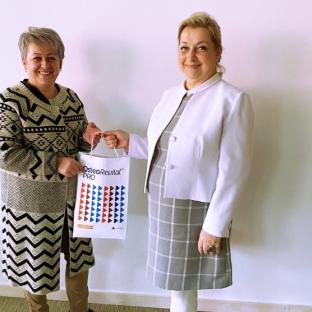
When a local daily newspaper published the story, a nurse called Mersiha Pecikoza who works in the town’s hospital, was starting her week-long summer break. Ms Pecikoza (pictured, left) has had recent health difficulties and surgery herself, both of which put her in the “high risk” group, but she went to the retirement home to offer her help, without a thought for her own safety. She acquainted herself with the situation and with needs of the residents and seeing that they could not manage alone, she called on others to give their assistance, too, managing to gather a small team, where every member wanted to help in any way they could. The team was made up of:
-
a colleague from the hospital, who gave required medical equipment
-
a finance manager in a retirement home, who managed staff and resources
-
the Director of the Institute for Public Health of the Bosansko Podrinjski Canton, who assisted with testing.
Over the next few days, they:
-
stopped the virus from spreading further
-
provided medical treatment for all infected residents
-
gave training to support staff on how to deal with healthy residents and how to implement protection measures
-
created a new plan for medical care until COVID-positive nurses could return from sick leave
-
ensured normal functioning of all processes in the home.
This is a great example of sacrifice for others. It also demonstrating the importance of fostering expertise, knowledge and a good system, as well as nurturing empathy for others, especially those who are ill. We all have a duty to use our skills in crisis situations and a responsibility towards wider society.