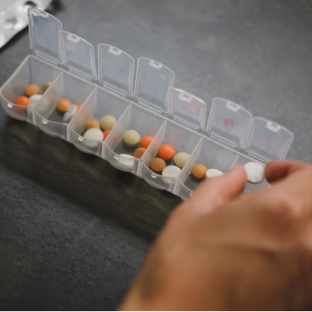
On 26 January, a group of European NGOs including Alzheimer Europe joined the European Public Health Alliance (EPHA) in calling on the European Medicines Agency (EMA) to declare the current shortage of antibiotics a major event. In a joint letter addressed to the EMA Executive Director and the members of the Executive Steering Group on Shortages and Safety of Medicinal products (MSSG), we outlined the impact of antibiotics shortages on patients, their families and public health. Since last autumn, patients, pharmacists and healthcare professionals have been reporting issues in obtaining antibiotics, which are in short supply due to rising demand coupled with production issues for manufacturers. As a result, first-line antibiotics such as amoxicillin, which come in tablet and liquid formulations, are being substituted by less effective medications, or those with more severe side-effects. This is of particular concern for older adults as well as children, who may have difficulties swallowing tablets. Furthermore, amoxicillin shortages have led to cascading supply issues with other antibiotics - and may also contribute to the development of antimicrobial resistance.
In our letter to the EMA, we stated that the scope, magnitude and wider implications of the current antibiotics shortage corresponds to the definition of a “major event”, as defined in EU regulation 2022/123, which allows for a reinforced role for the EMA in crisis preparedness and management for medicines. Had the EMA agreed to declare the current antibiotics shortage as a major event, this regulation would have increased the reporting obligations of pharmaceutical companies, and allowed for enhanced monitoring and legal competence in coordinating actions between Member States. However, in a press release following the 26 January meeting of the MSSG, the EMA stated that they were not yet prepared to declare the shortage situation as a major event.
A debriefing meeting was convened on 27 January, between EMA and the signatories of the joint letter. EMA attendees included EMA Executive Director Emer Cooke, and colleagues who co-Chair the MSSG and EMA departments dealing with health threats and medicines availabilities. In this meeting, EMA representatives outlined why they had determined that the current shortage should not yet be considered a major event, explaining their view that measures currently being taken to address shortages across the EU are showing an effect. These measures include closer monitoring of the situation through the Medicines Shortage Single Point of Contact Working Party, which involves representatives from national regulators and member states, as well as enhance dialogues with pharmaceutical companies to address manufacturing delays and production challenges. They also welcomed closer collaboration with patients, consumers, healthcare professionals and their representatives, to enhance transparency and communication between all impacted stakeholders. We will continue to monitor the situation and advocate for further action if the stated activities do not result in meaningful improvements for patients, consumers and healthcare professionals.